
Aobo Realty - Brisbane & Gold Coast Australian Property
Featured Properties
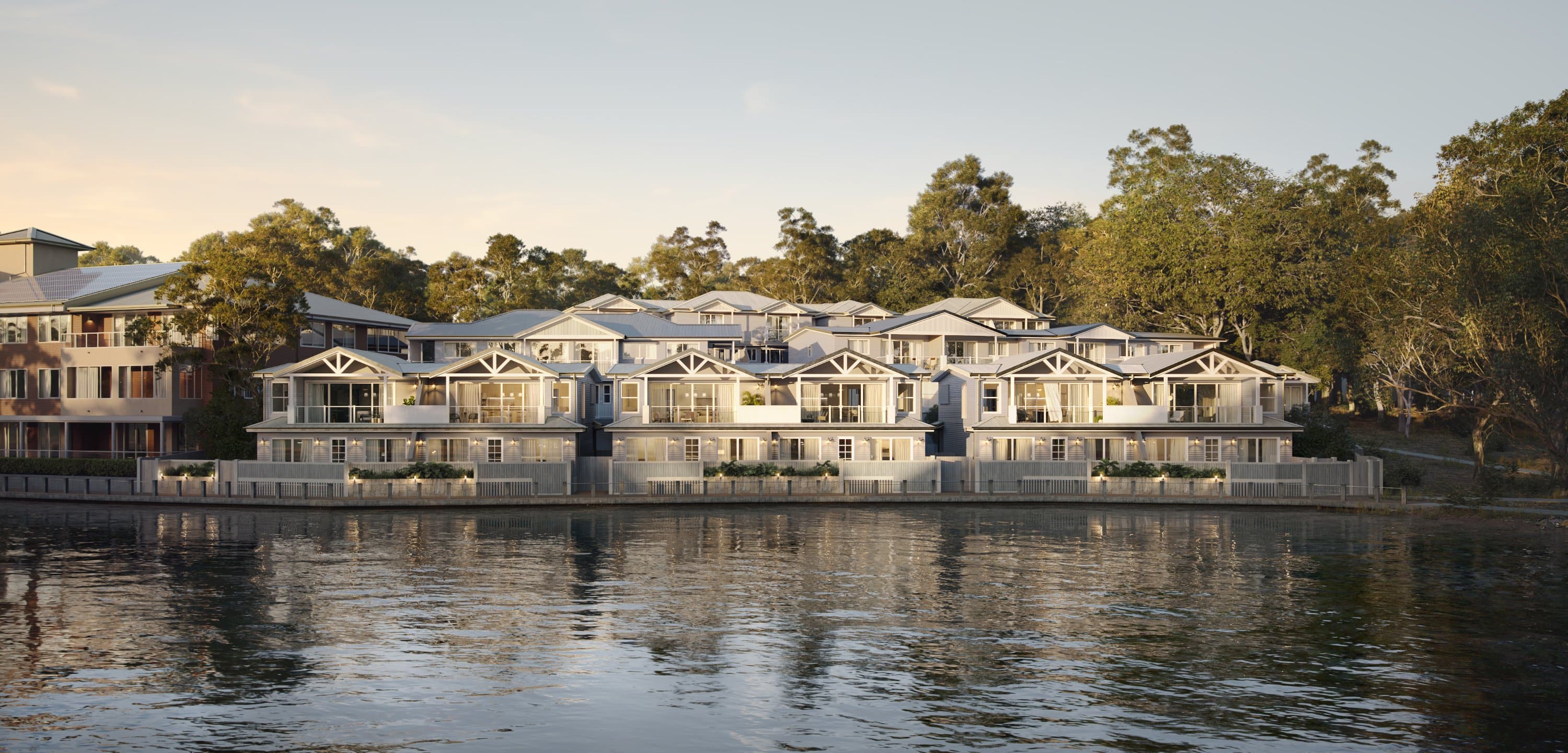
Lakeside Townhouse in the Established Robina Community, Gold Coast
Gold Coast · Robina
Handover Late 2027
From A$1,430,000

Modern Coastal-Style Townhouse in Labrador, Gold Coast
Gold Coast · Labrador
Handover First quarter of 2027
From A$1,339,000
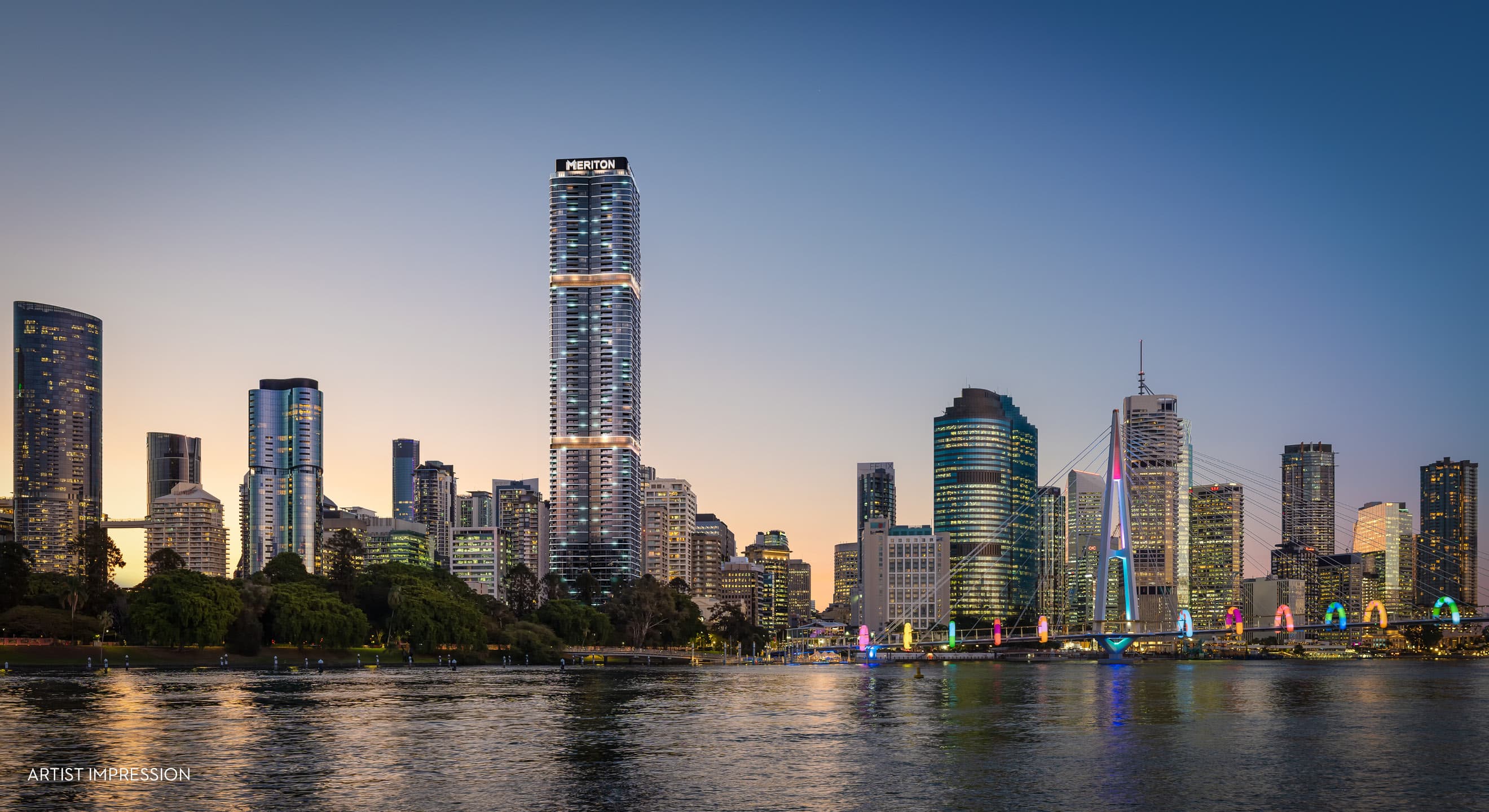
Brisbane City CBD Botanic Gardens riverfront apartment
Brisbane · Brisbane City
Handover Handover scheduled for late 2029
From A$956,000
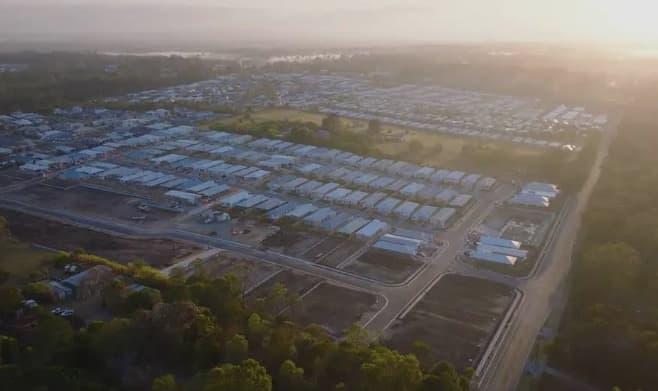
Greenbank House and Land Package – Convenient Southern Suburbs Lifestyle
Brisbane · Greenbank
Handover Land registration expected March 2027; construction time 6–8 months.
From A$944,900

Southport Core | Landmark Riverfront Residence
Gold Coast · Southport
Handover Mid-2028
From A$1,000,000
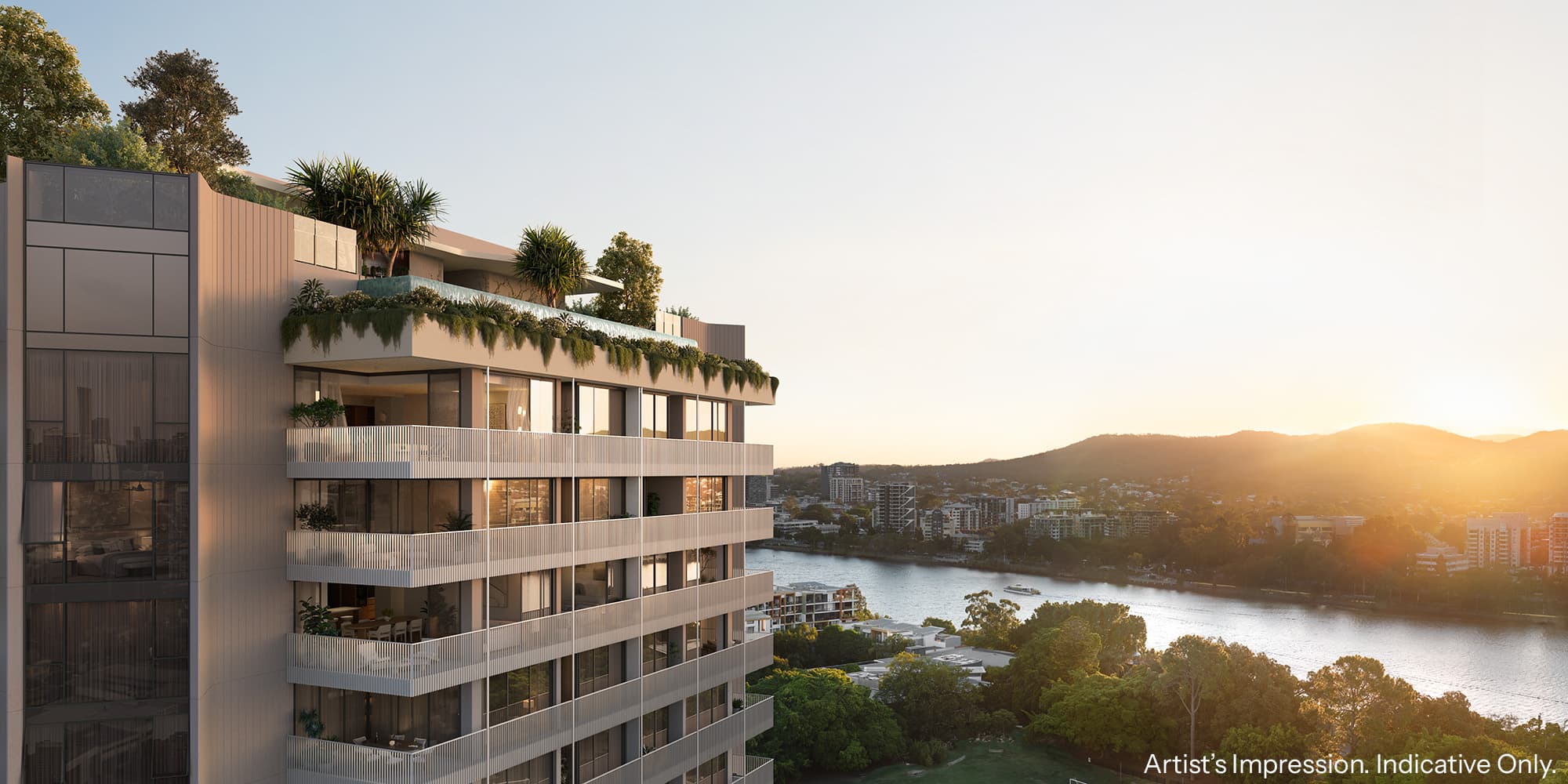
West End Riverside Boutique Apartment
Brisbane · West End
Handover Handover in early 2030
From A$1,600,000
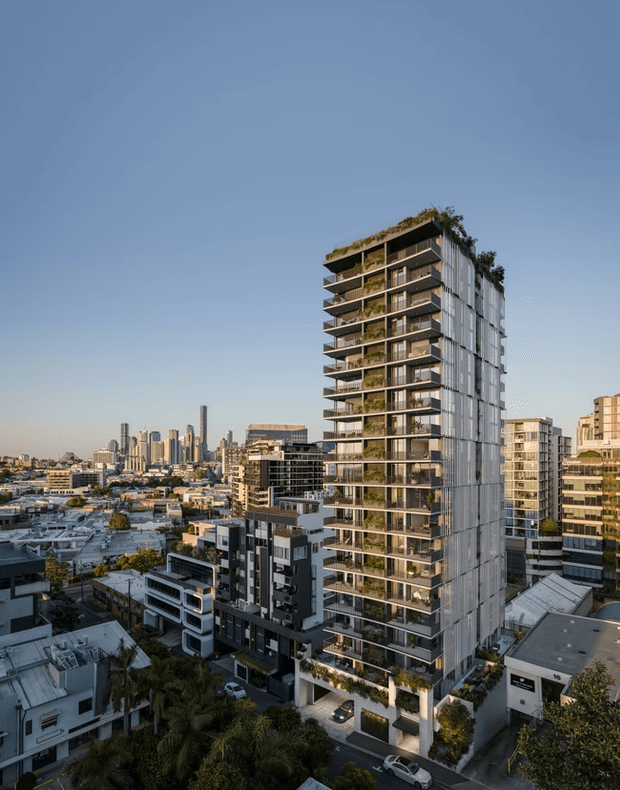
Newstead Inner-City Apartments, Brisbane
Brisbane · Newstead
Handover End of 2028
From A$1,700,000
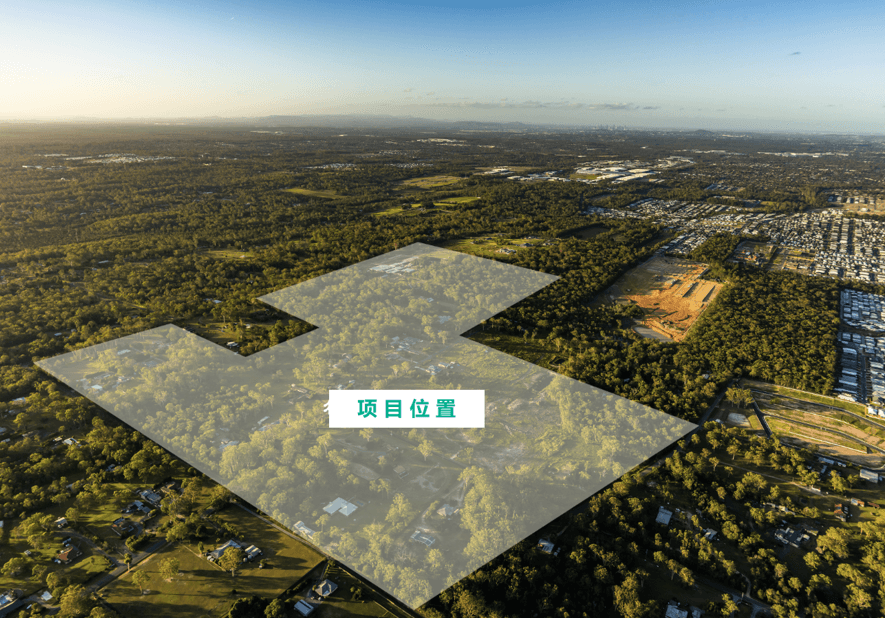
Chambers Flat Spacious House Community
Brisbane · Chambers Flat
Handover Land registration for Stages 1–3 is scheduled for December 2026, and for Stages 4–5 in March 2027. After land settlement, construction takes approximately 6–8 months.
From A$1,050,000
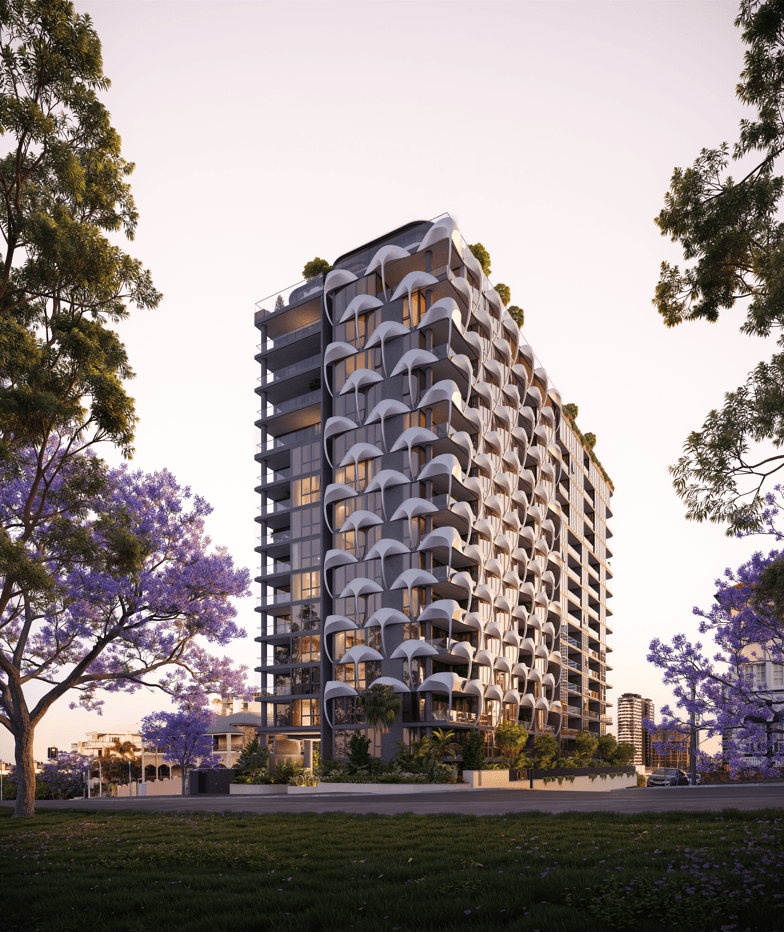
Spring Hill Central – Boutique Apartments in the CBD
Brisbane · Spring Hill
Handover Q1 2027
From A$1,680,000
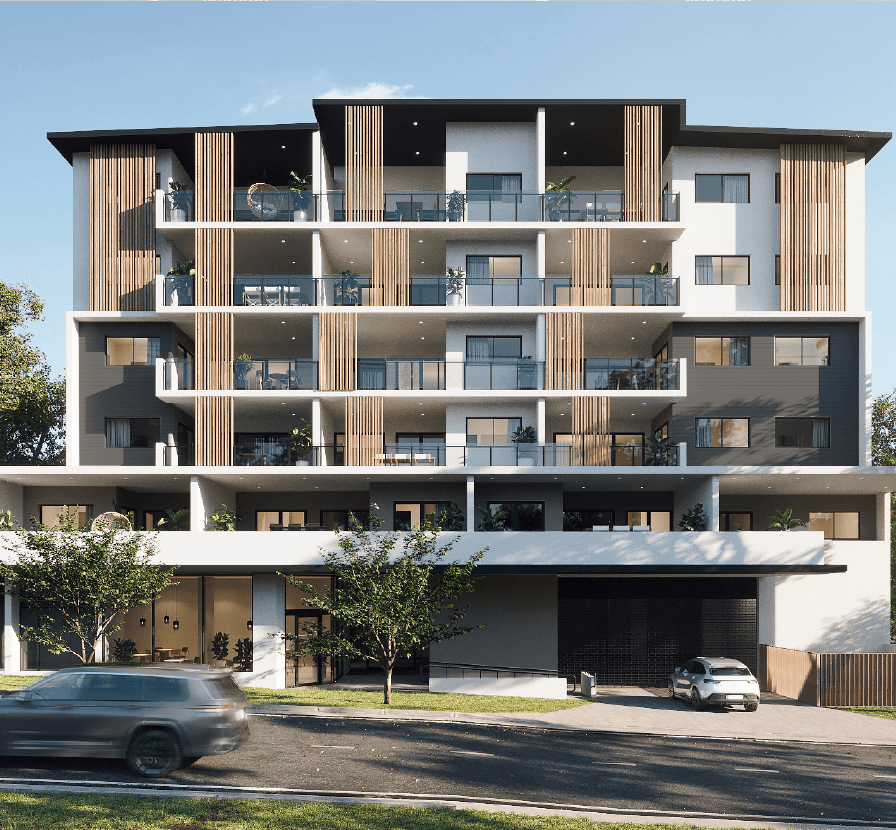
Mount Gravatt East Low-Density Apartments
Brisbane · Mount Gravatt East
Handover Q3 2027
From A$935,000

South Brisbane South Bank Apartments
Brisbane · South Brisbane
Handover End of 2028
From A$799,000
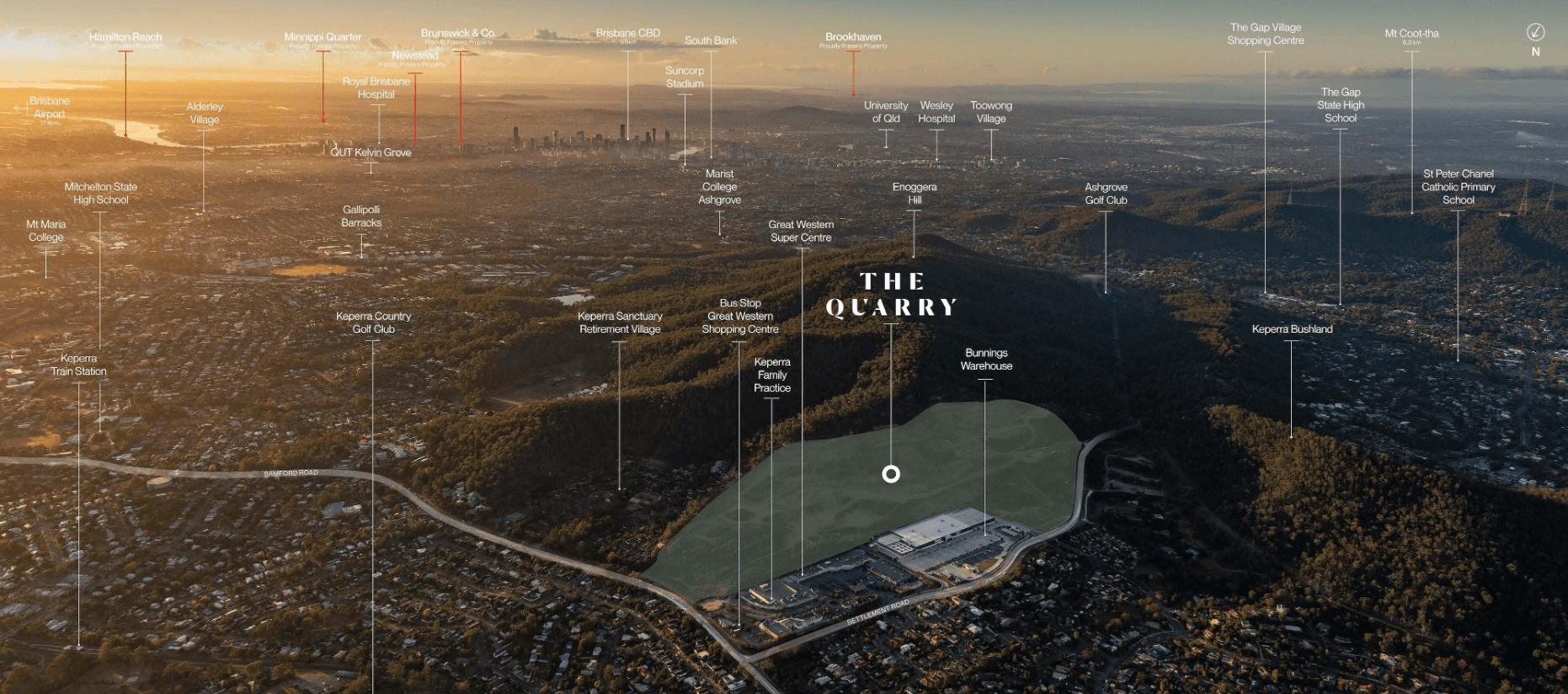
Keperra Hillside House and Land Package, North-West Brisbane
Brisbane · Keperra
Handover Land registration by end of 2026, with a build time of 6–8 months.
From A$1,700,000
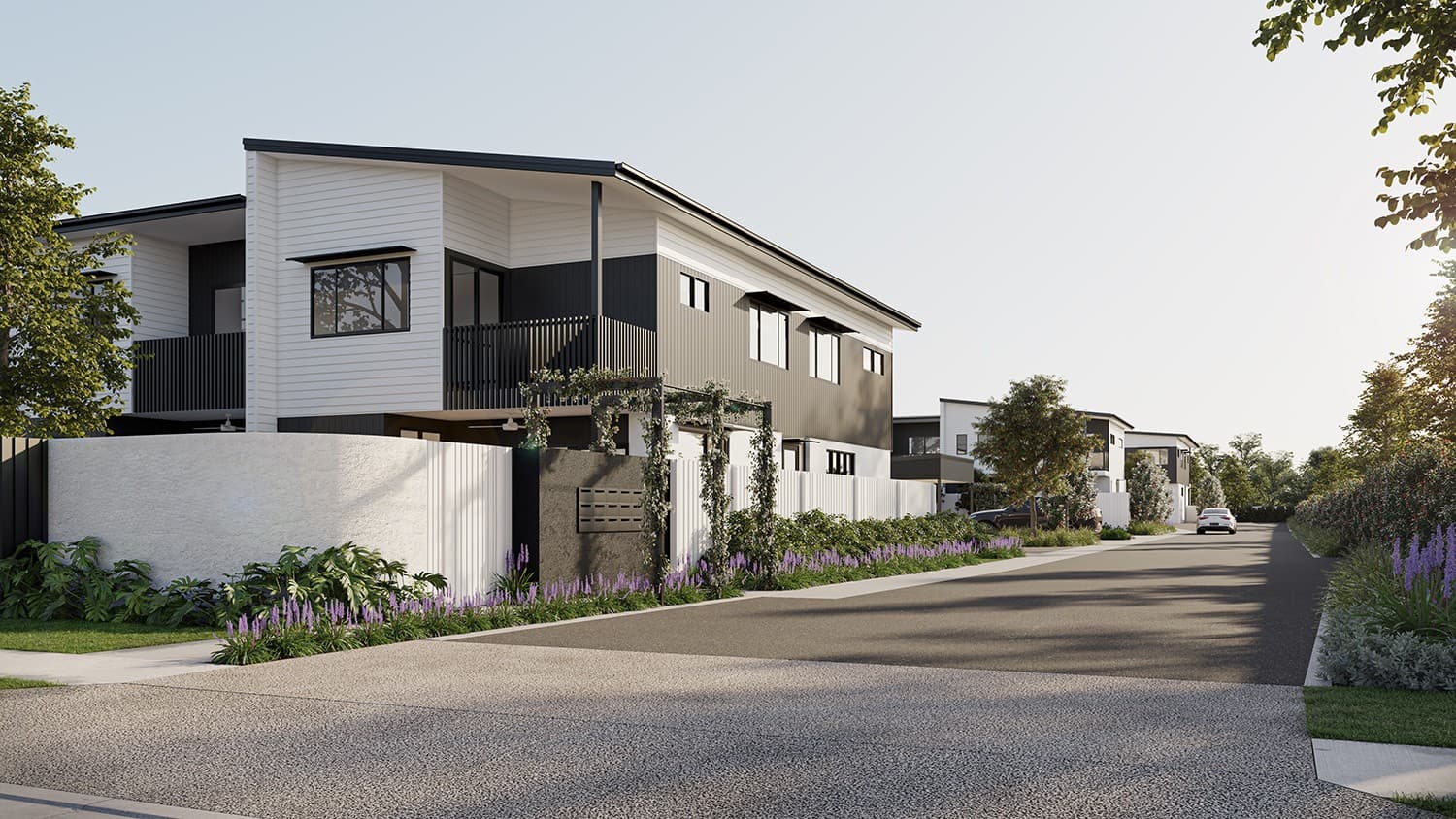
Carina Townhouse Near Brisbane CBD
Brisbane · Carina
Handover End of 2026
From A$1,395,000
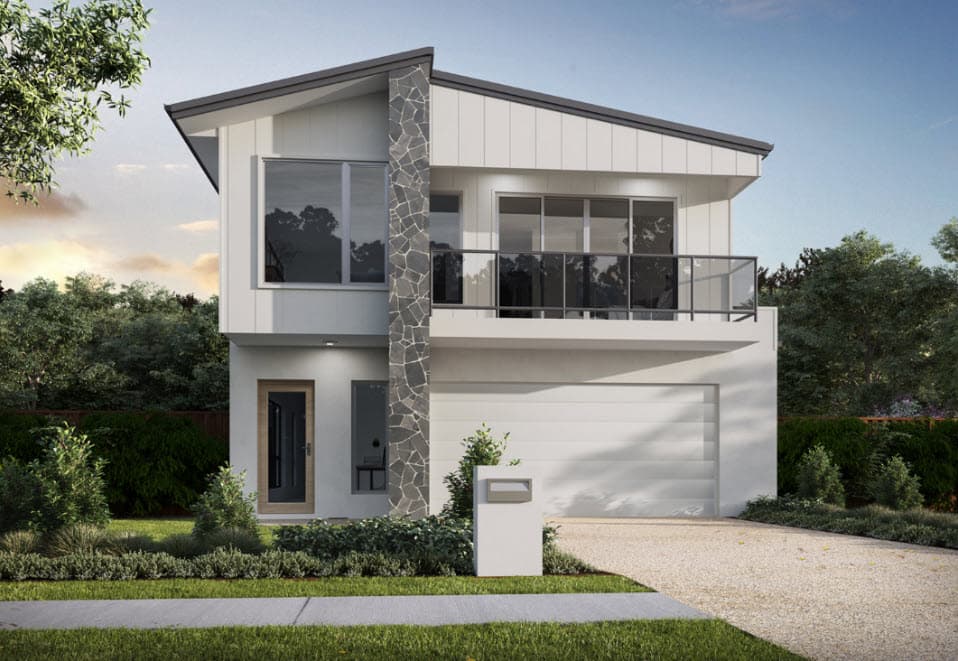
Heathwood House and Land Package in Brisbane's South-West
Brisbane · Heathwood
Handover Land registration by the end of 2026; construction time 6–8 months
From A$1,094,000
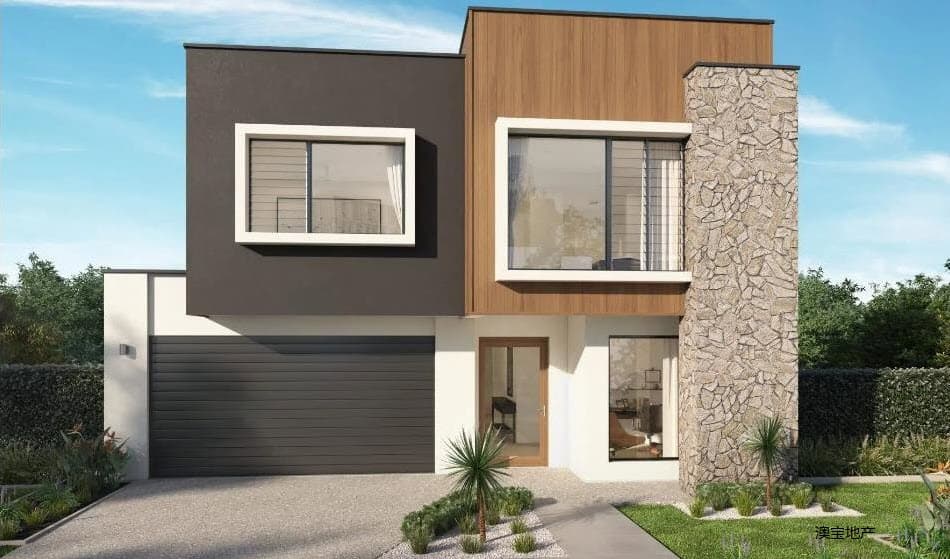
Parkinson Quality School Catchment House and Land Package
Brisbane · Parkinson
Handover Land is expected to be registered by the end of 2026, with construction taking 6–8 months.
From A$1,450,000
About Us
Aobo Realty Pty Ltd is a real estate investment services company registered with the Australian government, headquartered in Brisbane. Our clients come from many countries and regions, including mainland China, Australia, New Zealand, Hong Kong, Taiwan, Japan, Southeast Asia, Europe and North America. Through our professional expertise and quality service, Aobo Realty has earned praise from clients, developers and government over many years, and has received a number of awards.
Why Clients Choose Aobo Realty
A Local Company
As a company registered with the Australian government, our team members have lived in Australia for many years and have an in-depth understanding of Australian real estate, education, law, finance and culture. For projects we particularly recommend, we also record on-site inspection footage.
A Wider Range of Properties
Our projects include school catchment properties, apartments, townhouses, houses, luxury homes and land, all available to Chinese buyers worldwide. You are also welcome to contact us directly with your requirements.
More Professional Service
Aobo Realty's professional and reliable service has earned wide recognition from the industry and clients. Follow-up service after signing is very important, and in our property knowledge section we have also recorded many short videos explaining Australian real estate.
More Comprehensive Service
We provide complete services covering understanding your requirements, project recommendations, on-site inspections, contract signing, loan arrangements, professional building inspections and title settlement.
Featured Articles
Frequently Asked Questions for Overseas Buyers Purchasing Property in Australia
1. Can overseas buyers purchase property in Australia?
Yes, provided the following conditions are met: you may purchase a brand-new dwelling, an off-the-plan property, or vacant land to build on, and you must obtain approval from the Foreign Investment Review Board (FIRB) before acquiring an interest in the property. You may sign a purchase contract first, but it must be conditional on obtaining FIRB approval. If the developer already holds an exemption certificate for new or near-new dwellings, the buyer does not need to apply separately — simply confirm this with the developer. Applications are usually handled by a solicitor, and after the fee is paid the statutory review period is generally within 30 days.
For the official rules, see the Australian Taxation Office's Types of property a foreign person can buy; for the application fee and 30-day review period, see the Australian Treasury's foreign investment fees guidance.
From 1 April 2025 until 30 June 2029, foreign persons are temporarily banned from purchasing established (second-hand) dwellings (apart from a very small number of exceptions); this applies even to those on an Australian temporary visa buying for their own residence. Should the policy change in future, Aobo Realty will keep you updated with the latest information as soon as possible. (Information verified as at July 2026, for general reference only and not legal or financial advice.)
For the official statement on the established-dwelling ban, see the Australian Taxation Office's information on banning foreign purchases of established dwellings.
2. What are the costs of buying a property?
Signing the contract: if you borrow 70%, the deposit is 30%. For off-the-plan properties (apartments and townhouses), you generally pay 10%–20% when signing the contract, and pay the balance of the purchase price (less the loan) at settlement. For a house and land package, there are two separate contracts, one for the land and one for the house. If you borrow 70%, at signing you first pay 10% on the land and 5% on the house; at land settlement, you pay the balance after deducting the loan and the deposit already paid to complete the land settlement, and then move into the house construction phase, paying the relevant amounts according to the building progress, with all construction payments covered by the loan.
Other costs of buying a property include: the Foreign Investment Review Board (FIRB) application fee, stamp duty, conveyancing/title transfer fees, loan application fees, and solicitor's fees. Of these, stamp duty varies by state and by the price of the property.
3. Where is the deposit paid, and are the funds safe?
When buying a new or off-the-plan property in Australia, the buyer must, in accordance with the purchase contract, pay the deposit into the trust account specified in the contract. For all developer projects we represent, the purchase contract clearly stipulates that the deposit is paid directly into the Developer's Solicitor Trust Account. The developer has no right to use these funds before settlement is completed. Solicitors' trust accounts are regulated under Australian law and subject to regular audits.
If the contract is lawfully terminated due to the developer, the deposit already paid by the buyer is usually refunded in full in accordance with the contract, so you will not lose your deposit because the developer is unable to complete settlement.
If the buyer has signed an unconditional contract but fails to complete settlement as required, the developer is entitled to forfeit the deposit under the contract and may pursue the buyer for breach of contract at law.
At settlement, the buyer usually pays the balance of the purchase price into the trust account of their solicitor or conveyancer, who is responsible for completing the settlement of funds and the transfer of title.
4. Can I get a loan to buy property in Australia?
Yes. Depending on your income, you can borrow up to 80%. Aobo Realty can provide loan services; please contact us regarding loan requirements, document preparation, the process, and fees.
5. Will my legal rights be protected after an overseas buyer purchases property in Australia?
Yes. Under Australian law, you hold freehold title to the property and your property rights are protected by law; however, foreign persons are also subject to FIRB regulations (the types of property that may be purchased, resale restrictions before completion, annual vacancy fee reporting, and so on).
6. What documents are required to obtain a loan in Australia?
A. Proof of overseas income
B. A copy of your passport and identity card
C. Proof of financial capacity to pay the amount over and above the deposit and the bank loan
7. I don't understand English and can't read legal documents — how can I know whether my legal rights are protected?
Under Australian law, every property purchase must engage a local solicitor. Your solicitor is completely independent and works entirely for you. If required, Aobo Realty can recommend a professional, Chinese-speaking solicitor. The solicitor's responsibilities include: 1) explaining the legal terms so you understand your rights and obligations, and guiding you through signing; 2) calculating the settlement funds, completing the payment of funds, and ensuring the smooth transfer of title.
8. After purchasing a property in Australia, how do I lease and manage it?
Engage a locally licensed leasing agent. Rental management in Australia is highly professional and well established, with comprehensive services including finding tenants, property maintenance, regular inspections, rent collection, bill payment, and end-of-lease inspections. The leasing company provides the landlord with regular statements, and at the end of each financial year provides a rental income and expenditure statement for tax purposes. Agents generally charge 7%–9% of the total rent as a management fee.
9. If any dispute arises during the lease, how will it be handled?
In most cases, the leasing agent handles it in accordance with the relevant laws and regulations. If you are still not satisfied, you may engage a solicitor to lodge a complaint with the Australian Fair Trading office.
For the Queensland Fair Trading complaint channels, see the Queensland Government website.
10. If I want to sell the property in future, how do I go about it?
You can engage any Queensland-licensed real estate agent to sell your property. You do not need to come to Australia in person, and the transfer of title is handled entirely by a solicitor.
You can check whether an agent is licensed via the Queensland Government licence check.