
Analysis of Brisbane's Multi-Billion-Dollar Infrastructure Investment Plan
Brisbane is Australia's third-largest city, geographically closer to Asia, with a well-developed port and a pleasant, comfortable subtropical climate. The Gold Coast lies to the south and the Sunshine Coast to the north, both within an hour's drive - Brisbane is steadily becoming the most sought-after place to live for both domestic and overseas migrants in Australia.
Brisbane's property market has naturally attracted growing attention from investors both at home and abroad. Under the Queensland Government's infrastructure upgrade plan for 2010 to 2031, Brisbane and its surrounding areas will receive nearly A$134.2 billion in infrastructure funding.
This is currently the largest single investment plan in Australia's infrastructure development sector. The investment amount is equivalent to every person in South East Queensland enjoying A$37,000 in investment.
Infrastructure development is one of the key drivers of the property market. Such a vast infrastructure upgrade will drive the development of Brisbane's economy, education and healthcare, increase employment opportunities and population, and thereby boost housing demand.
Let's follow Aobo Realty to see where all this multi-billion-dollar investment is going.
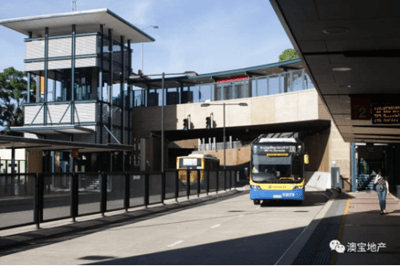
Brisbane's city centre and surrounding areas also have many infrastructure projects under construction or already completed. Local residents have already begun to enjoy the benefits these projects bring. The current public transport development plan will improve the transport network across Brisbane and its surrounding areas, increasing the number of train stations to 130 and bus stops to 12,600.
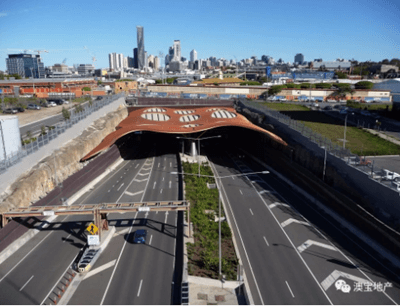
As part of the Australian Government's A$229 million national highway network plan, four highways in Queensland including the New England Highway and the Flinders Highway will receive over A$60 million in funding for upgrades and improvements.
According to ACBNews (Australia-China Finance Online), Australia is currently comprehensively advancing the upgrade and optimisation of its national highways. The aim is to optimise the arteries of Queensland's national highway network and improve freight transport infrastructure in the state's resource and agricultural regions.
Future transport will bring enormous convenience for Queensland residents. Properties along the transport routes will also become increasingly expensive as the roads open up.
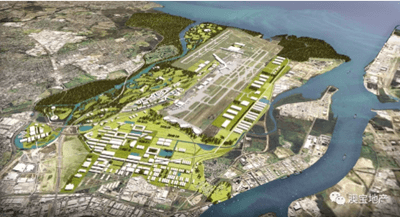
The Federal Minister for Infrastructure and Regional Development has given the green light to the master plan for Brisbane International/Domestic Airport (BAC) and approved its A$3.8 billion airport upgrade proposal.
The blueprint for this proposal primarily analyses and forecasts the airport's future demand and passenger flow. Furthermore, key development works at the airport, such as terminal expansions, transport infrastructure and a new parallel runway, have entered the construction phase.
The airport runway upgrade is expected to involve an investment of A$1.35 billion and create 7,800 jobs. The upgraded runway will, alongside Hong Kong International Airport and Singapore Airport, become an international-class airport. By 2034, Brisbane Airport's passenger numbers are expected to reach 48 million.
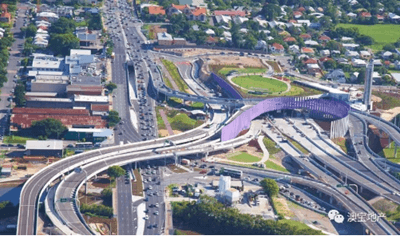
The Airport Link will cost A$4.8 billion and is Australia's largest privately funded transport infrastructure project. Its construction will improve traffic conditions in northern Brisbane and enhance public transport services.
In addition to the above, there is also A$3.3 billion invested in the M7 tunnel, A$5 billion in the underground Bus and Train (BaT) tunnel, and the upgrade of the CityCat and CityGlider services.
With its strategic geographic location, abundant land resources, lower operating costs and significant labour advantages, Brisbane has become an ideal logistics hub. Brisbane's existing infrastructure network is world-class, and the continued growth of its manufacturing and resources industries creates excellent opportunities for logistics, transport and warehousing providers.
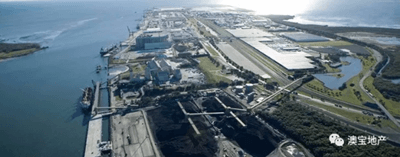
Australia TradeCoast is Australia's most fully equipped trade zone, encompassing the Port of Brisbane and Brisbane Airport. The Port of Brisbane is Australia's only purpose-built intermodal port located in a capital city, while Brisbane Airport operates 24 hours a day, all year round. As the global trend towards shortening supply chains continues to strengthen, Brisbane plays a unique role in providing faster access to domestic and international markets and sharing industry expertise and experience.
Brisbane is Australia's third-largest city, and in recent years many developers have progressively set their sights on this city of limitless potential, aiming to transform Brisbane into an international metropolis.
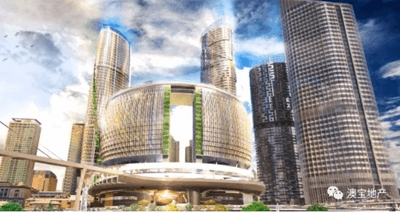
The Brisbane casino redevelopment project is set to be injected with even more new "financial vitality"!
The consortium led by Echo Entertainment Group has stated that, in addition to preserving the existing heritage buildings, it will build a giant new public LED display screen, luxury hotels, a spectacular cinema complex and a water park, upgrade the entire existing bicycle hire network, and construct a new pedestrian bridge connecting Brisbane's CBD with South Bank.
This project will bring an additional 1.39 million tourists to Queensland each year. It is reported that Echo Entertainment Group, which owns Sydney's The Star casino, will relocate its headquarters from Sydney to Brisbane.
At present, Brisbane's property prices remain lower than those in Sydney and Melbourne, and the future capital growth potential of its properties should not be overlooked. In particular, with extremely low housing vacancy rates and rental yields ranking first in Australia, it is the best choice for investment.