
How to claim a tax refund when buying an investment property in Australia?
Firstly, we need to be clear about which costs are tax-deductible, so you don't miss out on deductible items and end up paying more tax than necessary.
1. Interest on loans;
2. Borrowing Expenses — if the amount is under A$100, it can be claimed in that year; if over A$100, it must be spread across 5 years;
3. Capital Works Deductions — when buying an investment property, you need to engage a professional quantity surveying firm to prepare a property depreciation schedule. Refer to Division 43 in the report, which your accountant uses to prepare your tax return;
4. Depreciation on Plant — this figure also appears in the property depreciation schedule; refer to Division 40 in the report. If major facilities are repaired or upgraded during the holding period, a professional firm will need to adjust the future depreciation assessment;
5. Body Corporate Fees and Charges — apartments and townhouses generally incur these fees, while standalone houses do not. This fee mainly covers advance maintenance funds, the property manager's salary, mandatory building insurance, accounting fees, etc. It usually ranges from A$2,000 to A$5,000 per year;
6. Council Rates — fees charged by the government, mainly used for community landscaping and sanitation, rubbish collection, etc., usually A$1,200 to A$1,600 per year;
7. Water Charge — note that water usage costs borne by the tenant are not deductible, but water supply and drainage charges are deductible;
8. Advertising for tenants;
9. Cleaning;
10. Gardening and Lawn Mowing;
11. Insurance — for apartments and houses, mandatory building insurance is already included in the body corporate fees and does not need to be paid again, but the landlord may choose landlord insurance to protect against loss of property inside the premises or loss of rental income;
12. Land Tax;
13. Legal Fees — note that legal fees incurred when purchasing the property are not counted here;
14. Pest Control — this only applies to standalone houses. For apartments and townhouses this is covered by the body corporate fees;
15. Property Agent fees and Commissions;
16. Repairs and Maintenance;
17. Stationery, telephone and postage — telephone and postage costs incurred by the landlord when communicating with the real estate agent;
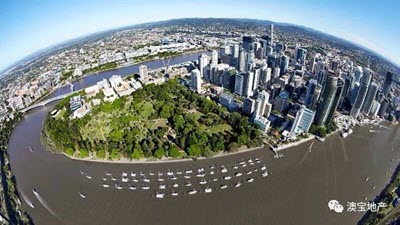
18. Travel Expenses — travel costs incurred for inspecting the property or collecting rent. For example, if you live in Melbourne and purchase an investment property in Brisbane, the airfares and other costs of travelling to deal with rental matters are tax-deductible;
19. Other miscellaneous costs of renting out the property.
Not all of the above costs will necessarily arise; the list is this comprehensive simply so that you don't miss anything when claiming your tax return.

In addition, please note the following points:
1. If the property is held by multiple owners, each person must declare their tax separately according to their ownership share;
2. If the property is purchased during the current financial year, the amounts paid to the seller at settlement — such as council rates, body corporate fees and water charges — can be claimed as deductions; for details, refer to the Settlement Sheet;
3. If the landlord's personal income suddenly increases significantly during the current financial year — for example, from a bonus or exercised options — they can prepay the next financial year's mortgage interest on the investment property to obtain a larger tax refund;
4. If an owner-occupied home is converted into an investment property, the costs are apportioned proportionally, and costs and expenses incurred during the owner-occupied period are not deductible;
5. Relevant records and invoices should be properly kept and categorised.