
How to Use Superannuation to Buy Property in Australia
In Australia, the retirement system is mainly divided into two parts: Pension (the government age pension) and Superannuation. The Pension is a social welfare benefit, and eligibility depends on meeting assessment criteria such as age, income and assets; Superannuation, on the other hand, is a retirement savings scheme funded by contributions from employers and individuals, and is the focus of this article.
I. Superannuation comes in two forms: standard superannuation and self-managed superannuation.
Standard superannuation is managed through a superannuation fund. Common funds include AustralianSuper, Hostplus, UniSuper, REST Super, Cbus Super and Sunsuper. The employer pays super into an account set up by the employee, and the employee can choose an investment mix within their online account, such as term deposits, government bonds, bonds and shares. The fund manages the account according to the investment strategy the member selects; although it charges certain management fees, it does not bear responsibility for investment losses.
A self-managed super fund (SMSF) is a superannuation account set up and managed by the individual themselves. In addition to conventional investment options, it can also be used to invest in real estate. Establishing an SMSF incurs costs, including set-up fees and accounting fees.
II. If you wish to purchase property through an SMSF, you first need to plan thoroughly: clarify your property budget, target area, expected rent, loan amount and the own funds required, as well as the timing for when these funds will be available.
Next, you need to set up an SMSF account and a bank account, and establish a trust structure.
1. Once you have selected a specific property, you set up a Bare Trust and sign the purchase contract. Note that a Bare Trust can only be established after the property has been decided, and each property corresponds to one Bare Trust.
2. The types of property an SMSF can purchase include established homes, single-contract new homes or off-the-plan properties (such as apartments, townhouses and houses). Two-contract house and land package projects do not meet SMSF investment requirements. It is recommended to choose a property that is moderately priced, has stable cash flow and is suitable for long-term holding.
3. In terms of lending, an SMSF loan is usually 60%–70% of the total property price, with an interest rate generally 0.5%–1% higher than a standard loan. Banks determine the loan amount mainly based on rental income and the stability of Superannuation account contributions, rather than the investor's personal income.
III. Your own funds can come from the following sources:
1. Employer super contributions (Superannuation Guarantee): currently 12% (from 1 July 2025).
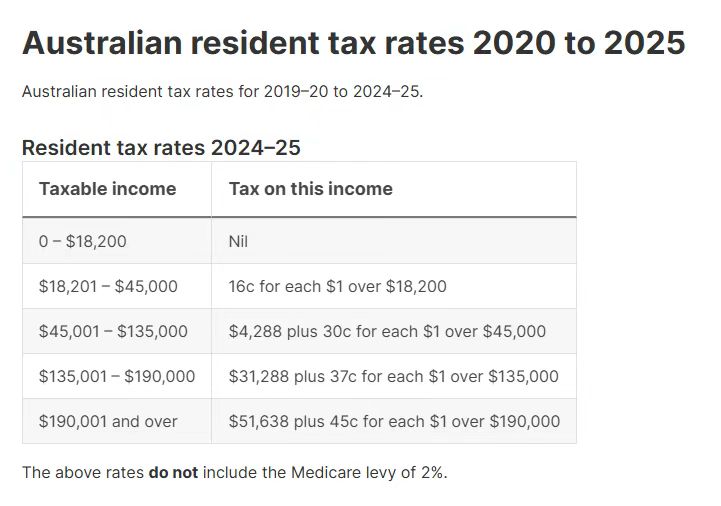
2. Salary Sacrifice: an employee can ask their employer to pay part of their income directly into their super account before wages are paid, thereby avoiding tax at the marginal rate and instead paying only the 15% super tax rate. This must be reported to the ATO.
IV. Voluntary personal contributions into a super account, including:
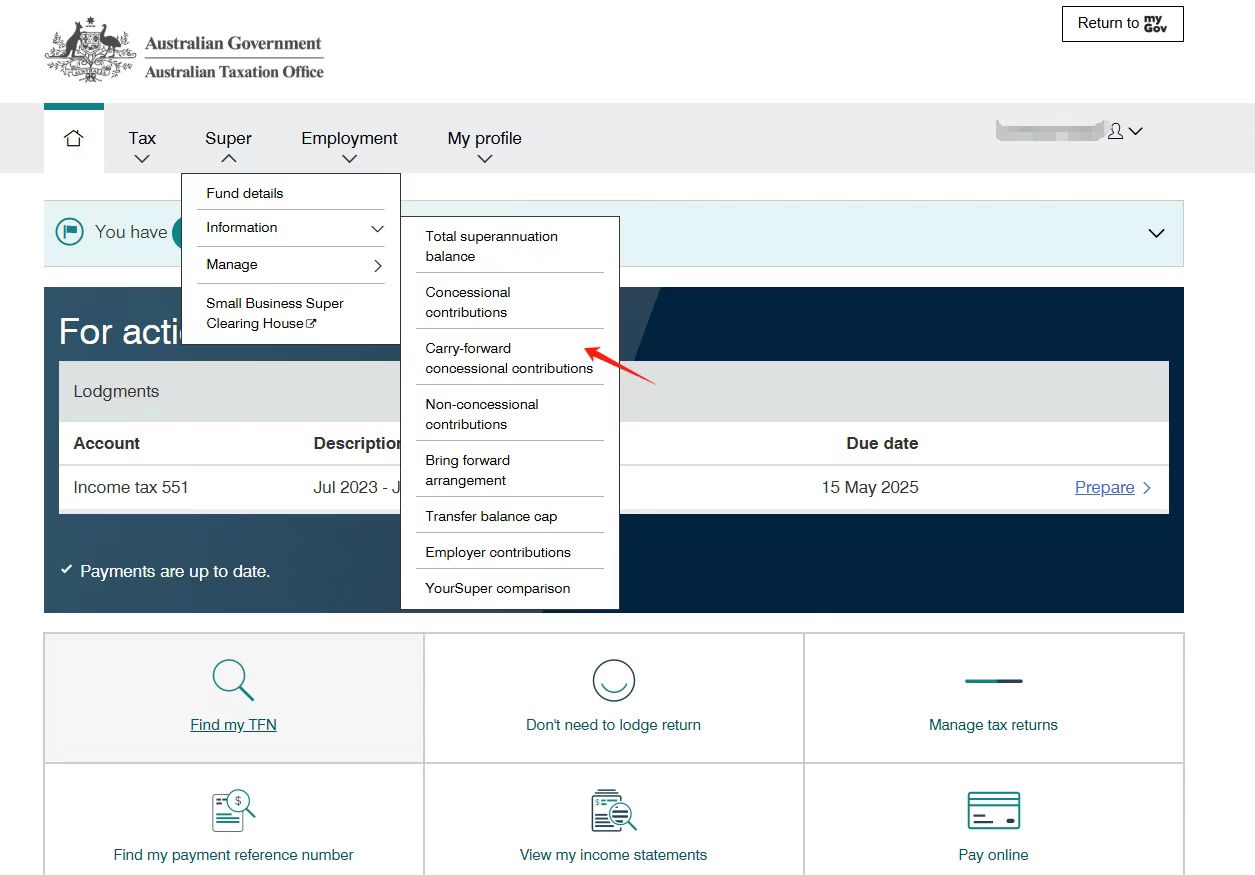
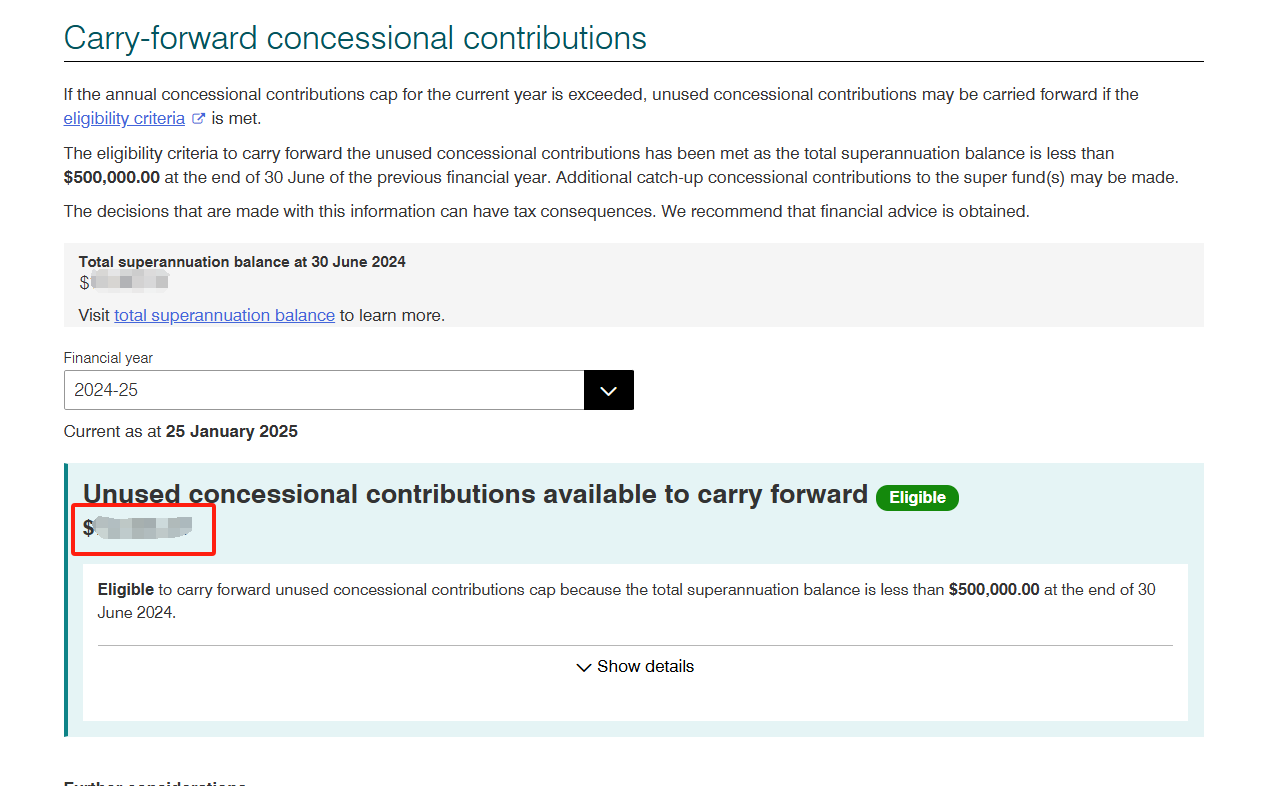
a) Concessional (before-tax contributions): taxed at 15% and can be used for tax deductions. The annual cap is A$30,000, and any unused portion can activate the "5-year carry-forward mechanism" to use previously unused caps. This can be checked in your MyGov account.
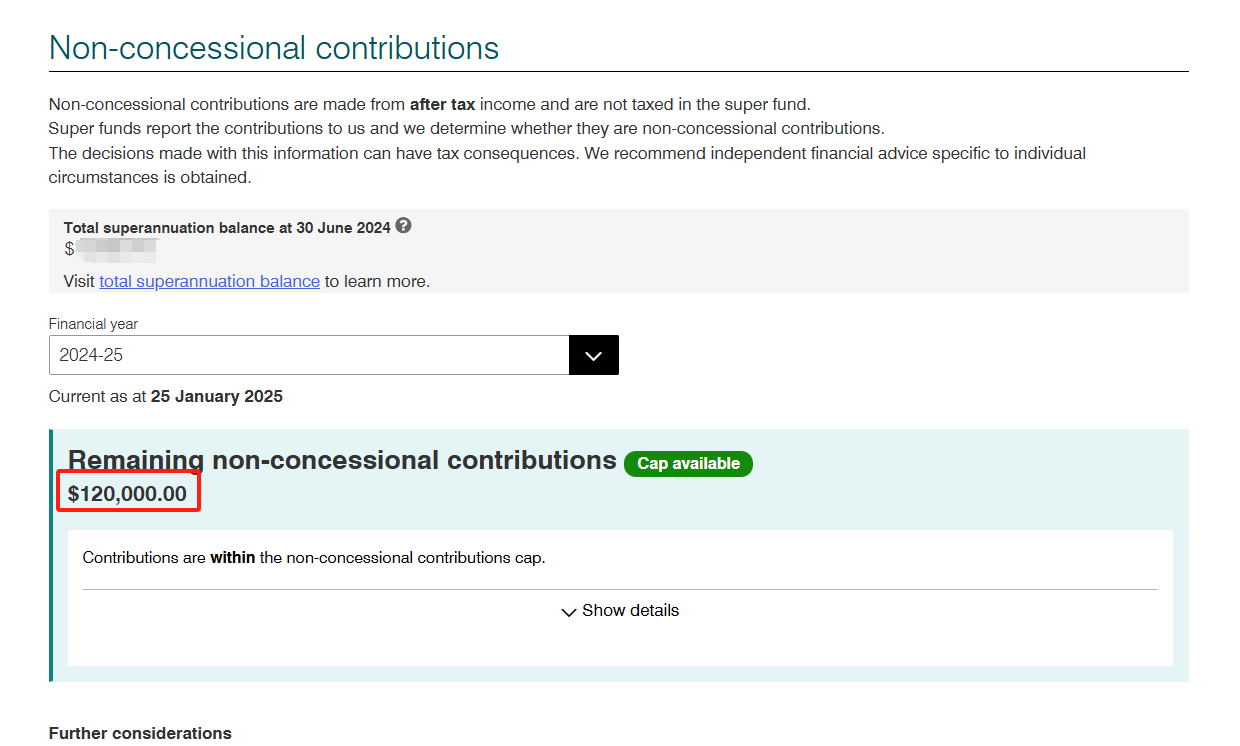
b) Non-concessional (after-tax contributions): the annual cap is A$120,000, and when exceeded you can activate the "2-year bring-forward mechanism" to bring forward the next two years' caps (i.e. A$360,000 over 3 years). These funds have already been taxed, so no further tax applies once they enter the super account.
At settlement, all funds must first be deposited into the SMSF bank account and then transferred to the property solicitor's trust account. It is recommended that all costs relating to setting up the SMSF and to the property also be paid from the SMSF account.
While the property is held, rent should be paid directly into the SMSF account, and loan repayments and other related expenses are also paid from this account. If there is investment income, the applicable tax rate is 15%; if there is a loss, it cannot be used to offset personal income tax and can only be carried forward.
The advantages of investing in property through an SMSF include:
1. Higher borrowing capacity: loan assessment is based mainly on rental income and super contributions, not on personal income.
2. Significant tax benefits: income tax is a flat 15%
3. If the property is sold after being held for more than 12 months, capital gains tax is reduced to 10%; if sold after retirement, it is 0%
4. The land tax threshold is calculated separately: for example, the Queensland SMSF land tax threshold is A$350,000, which can be assessed separately from assets held in your personal name, increasing the total threshold
Disadvantages include:
a. No refinancing: once the loan amount is set it cannot be increased, so you cannot top up based on property appreciation.
b. Investment losses cannot be used for personal tax deductions: they can only be carried forward, not refunded.